By Jarrett Renshaw
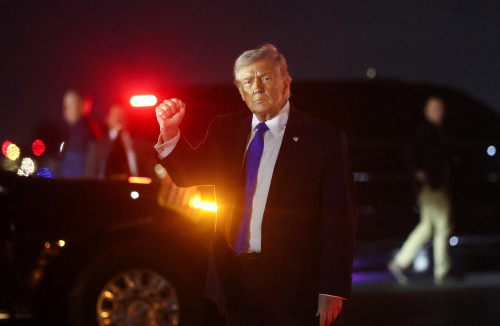
March 17 (Reuters) – U.S. President Donald Trump has invited farmers and biofuel producers to an agriculture event at the White House next week, two sources familiar with the planning said, as his administration moves to finalize new biofuel blending quotas.
The administration is preparing to finalize long-delayed biofuel blending quotas for 2026 and 2027 by the end of the month, a decision with sweeping implications across the U.S. energy and agricultural sectors.
It is unclear whether the event, first reported by CBS News, will coincide with the final rule being released.
Last year, the administration proposed significantly boosting the amount of renewable fuel that must be blended into the nation’s fuel supply under the Renewable Fuel Standard, raising the total mandate to about 24.02 billion gallons in 2026 and 24.46 billion gallons in 2027, up from 22.33 billion gallons required in 2025.
U.S. refiners are making a last-minute push to persuade the administration to temper those increases, arguing that higher blending requirements could add to fuel price pressures at a time when the White House is already concerned about potential spikes tied to the conflict with Iran, according to multiple interviews with industry executives.
The White House did not respond to a request for comment.
The biofuel decision comes at a fraught moment for both the oil and farm sectors, with the White House balancing pressure from refiners worried about gasoline prices and farmers counting on stronger biofuel demand to support crop markets.
The quotas, which determine how much ethanol, biodiesel and other renewable fuels must be blended into U.S. gasoline and diesel, can ripple through everything from pump prices to corn and soybean demand, making them one of Washington’s most closely watched energy and agricultural policies.
U.S. farmers are on edge about potential planting disruptions this spring because fertilizer prices have spiked by more than a third since U.S. and Israeli attacks on Iran disrupted Middle East exports.
Even before the war, farmers were struggling to make money due to weak grain prices and soaring bills for fertilizer, seeds and agricultural chemicals.
Crop prices sagged last year under pressure from high supplies and as U.S. exports suffered due to Trump’s trade war with China, the world’s biggest soybean importer. The U.S. Department of Agriculture has started distributing $12 billion in aid to farmers hurt by Trump’s trade policy.
(Reporting by Jarrett Renshawl Additional reporting by Ananya Palyekar in Bengaluru and Tom Polansek; Editing by Aidan Lewis, Colleen Jenkins and Deepa Babington)