June 2, 2026
The Stock That Wins While America Gets Older
Stryker (SYK) and the trade that arithmetic built.
First a note from Weiss Ratings
Dear Reader,
Would you like to know how to tap into the $1.75 trillion SpaceX IPO windfall …
But without buying a single SpaceX share?
This has nothing to do with options … ETFs … or anything like that …
Yet it could hand you the chance to collect bigger gains than most people could ever dream of …
Eliza Lasky
Weiss Ratings
Stryker (SYK): The Demographic Trade Nobody Can Cancel
There’s a version of this story where I try to make it complicated. I’m not going to do that.
Seventy-three million baby boomers are aging through the system right now. The oldest are approaching 80. The youngest are pushing 62. By 2030, every single one of them will be 65 or older – and that cohort will represent one in five Americans. Joints wear out. Cartilage thins. Hips and knees that carried people through decades of work and weekend runs eventually give out. That’s not a market thesis. That’s physiology.
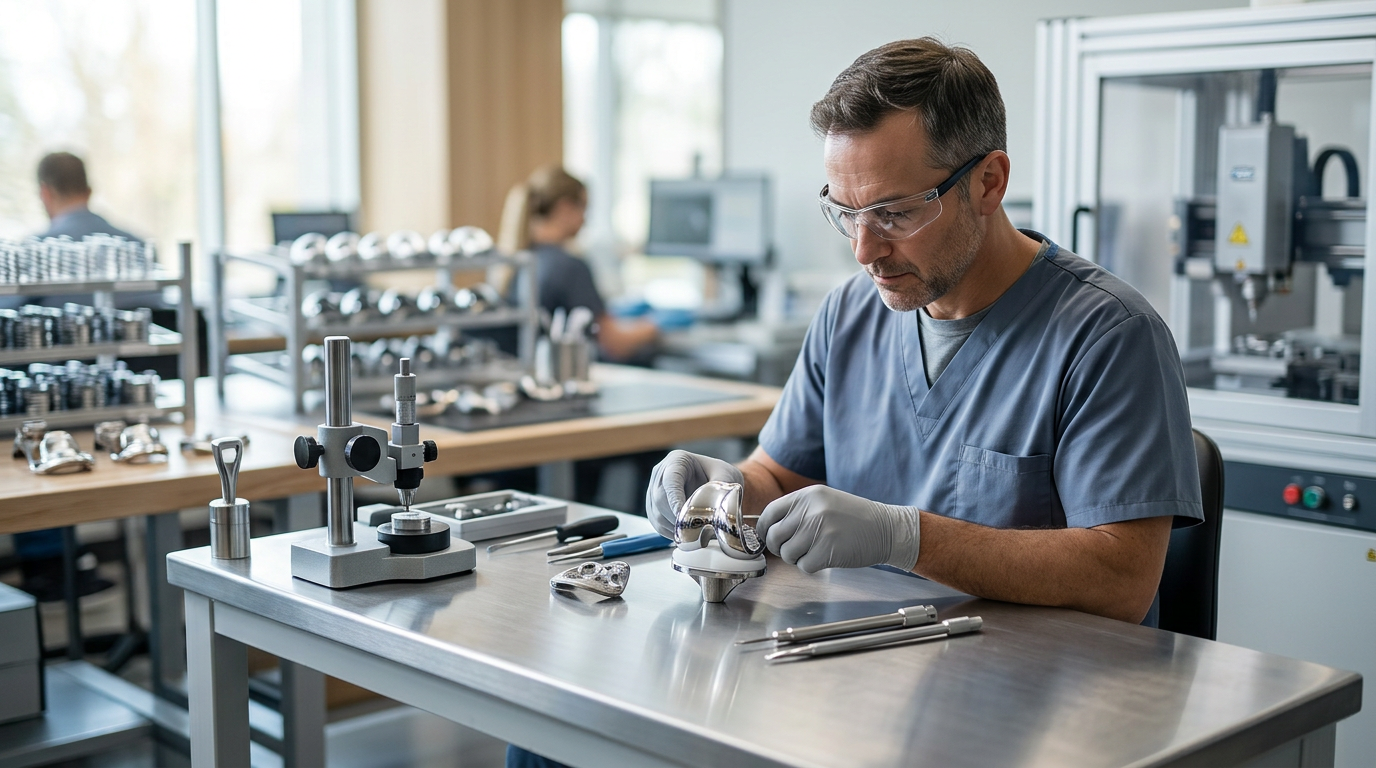
Stryker builds the hardware that fixes them.
Full-year 2025 revenue came in at $25.1 billion, up 11.2% from the prior year. Net earnings hit $3.2 billion – a 55.5% jump versus 2024. The orthopedics segment generated $9.5 billion on its own. MedSurg and Neurotechnology added $15.6 billion at a 15.7% clip. Management guided 2026 at 8% to 9.5% sales growth, and analyst consensus has EPS climbing from $8.49 last year to roughly $12.74 next year. That’s the kind of number that stops you mid-scroll.
The stock is down about 24% from its highs.
Here’s the thing about pullbacks in businesses with structural demand – they’re uncomfortable to buy and usually obvious in hindsight. The bear case on Stryker isn’t that the aging trend reverses. Nobody’s making that argument. The real friction is the balance sheet. Stryker carried $15.9 billion in total debt going into 2026, including $3.0 billion in new senior notes issued last year to fund roughly $5 billion in acquisitions – Inari Medical being the headline deal. Inari moves Stryker into venous thromboembolism treatment, which is adjacent to its core and not a bad space to be in, but the debt is real and the integration is still early.
Worth sitting with that for a second before moving on.
The rest of the business, though, is genuinely hard to argue with. Gross margins sit around 63.9%. R&D spend hit $1.62 billion in 2025. The Mako robotic surgery platform – Stryker’s most durable competitive asset – creates an installed-base effect that most investors underestimate. Surgeons trained on Mako don’t retrain. Hospital systems that build workflows around it don’t switch vendors mid-decade. That stickiness is what separates Stryker from a commodity implant supplier, and it’s not something a competitor replicates in a quarter or two.
Slight tangent – and this actually matters for the long-term picture – the aging story isn’t a U.S.-only event. Europe is older than America by most demographic measures. Japan has been in structural demographic decline for years. Southeast Asia is accelerating through the same curve. Stryker has international exposure, which means the total addressable market for orthopedic hardware isn’t hitting a ceiling anytime soon. If anything, the global denominator keeps expanding.
Most $5 Stocks Are Noise. These 5 Are Different
There’s a reason most investors avoid stocks under $5. But not every company at this level fits that stereotype.
These five Nasdaq names are tied to real markets and long-term trends. They are still early, still developing, and not widely followed, which may be exactly why they stand out.
The part people skip when they look at this name: the MedSurg and Neurotechnology segment is now the majority of total revenue and growing faster than orthopedics. Endoscopy, neurovascular products, hospital equipment – none of that is tied exclusively to joint replacements. It means Stryker isn’t a single-procedure bet. The demographic tailwind is real, but the business is more diversified than the elevator pitch suggests.
Key numbers, for reference:
- FY2025 revenue: $25.1B (+11.2% YoY)
- Orthopedics: $9.5B (organic growth 9.3%)
- MedSurg & Neurotechnology: $15.6B (+15.7% YoY)
- Gross margin: ~63.9%
- Net earnings: $3.2B (+55.5% YoY)
- R&D: $1.62B
- Cash: $4.1B | Total debt: $15.9B
- 2026 guidance: +8% to +9.5% sales growth
- 3-year forward CAGR (consensus): ~7.7–7.9%
- Dividend paid in 2025: $1.28B
What matters is where the risk actually lives. It’s not demand. Demand is not the variable. The risk is hospital capex freezing in a downturn, debt servicing pressure if rates stay elevated longer than expected, and whether Inari integrates cleanly or creates noise in the next two to three earnings cycles. Those are real. They’re also manageable at Stryker’s scale and cash flow profile – but they explain why the stock is where it is.
Here’s where I’m at on this. A 24% pullback in a business with $25 billion in revenue, 63%+ gross margins, a defensible robotics moat, and a demographic tailwind that compounds for another decade is not a situation I find easy to ignore. The debt is the asterisk. The valuation isn’t stretched the way it was at the highs. And the demand curve – 73 million people aging through a healthcare system that needs orthopedic hardware – that part is already written. Nobody’s lobbying against it. It doesn’t have an off switch. Stryker either captures it or someone else does, and right now, Stryker is the one with the installed base, the distribution, and the robotic platform that keeps surgeons in its ecosystem.
The question I keep coming back to isn’t whether the thesis is intact. It is. The question is whether the market needs one more quarter of clarity before it agrees with you.
– The Cheap Investor
For informational purposes only.