July 4, 2026
The U.S. Government Is About to Own a Piece of OpenAI
Featured: The U.S. Government Is About to Own a Piece of OpenAI
Dear Reader,
Starting as soon as a few months from now, the United States government will make a sweeping change to bank accounts nationwide.
It will give them unprecedented powers to control your bank account.
They could closely track every transaction.
They could even freeze it.
Unless you protect yourself today. Fortunately, there are 4 simple steps you can take to safeguard your savings.
Discover these 4 simple steps here.
Good luck and God bless!

Martin Weiss
Dr. Martin D. Weiss, Founder
FEATURED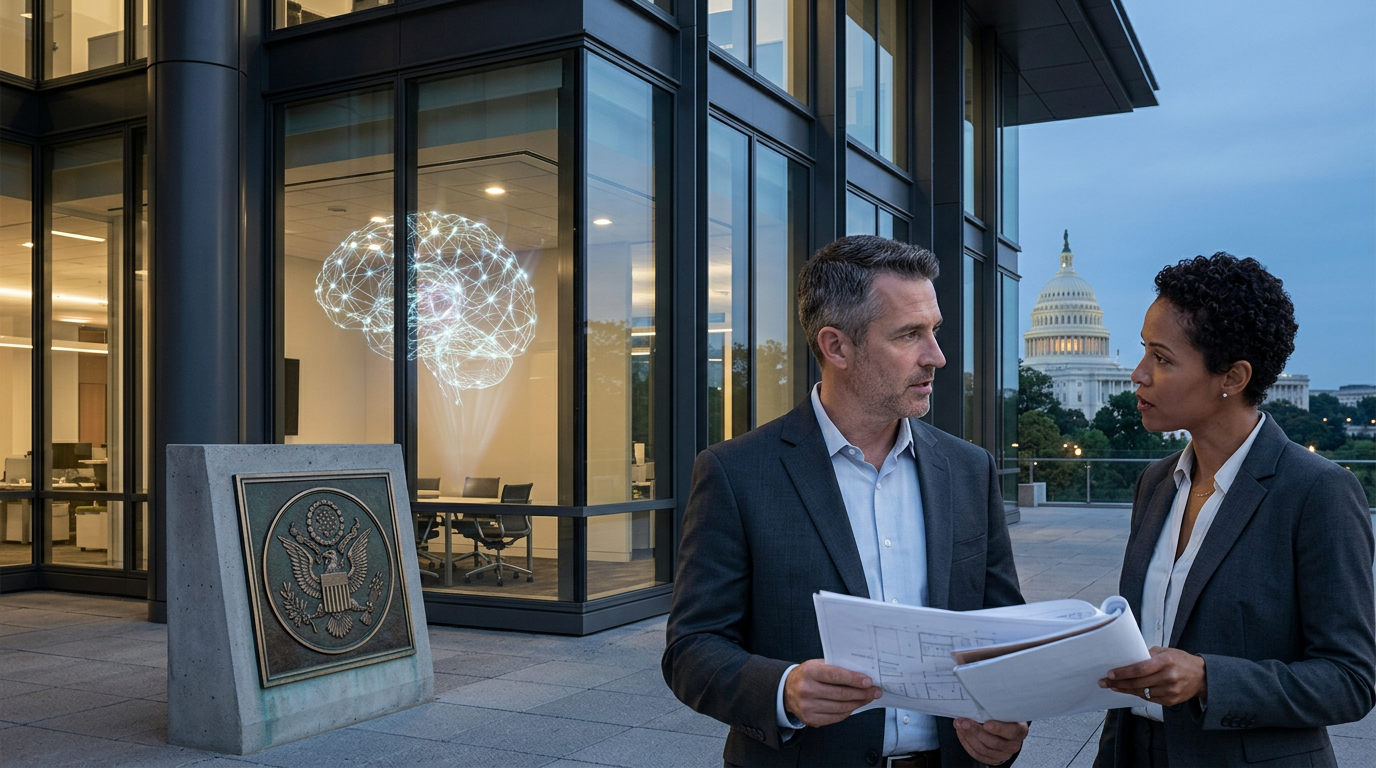
The U.S. Government Is About to Own a Piece of OpenAI
Something happened two days ago that most investors are still processing wrong.
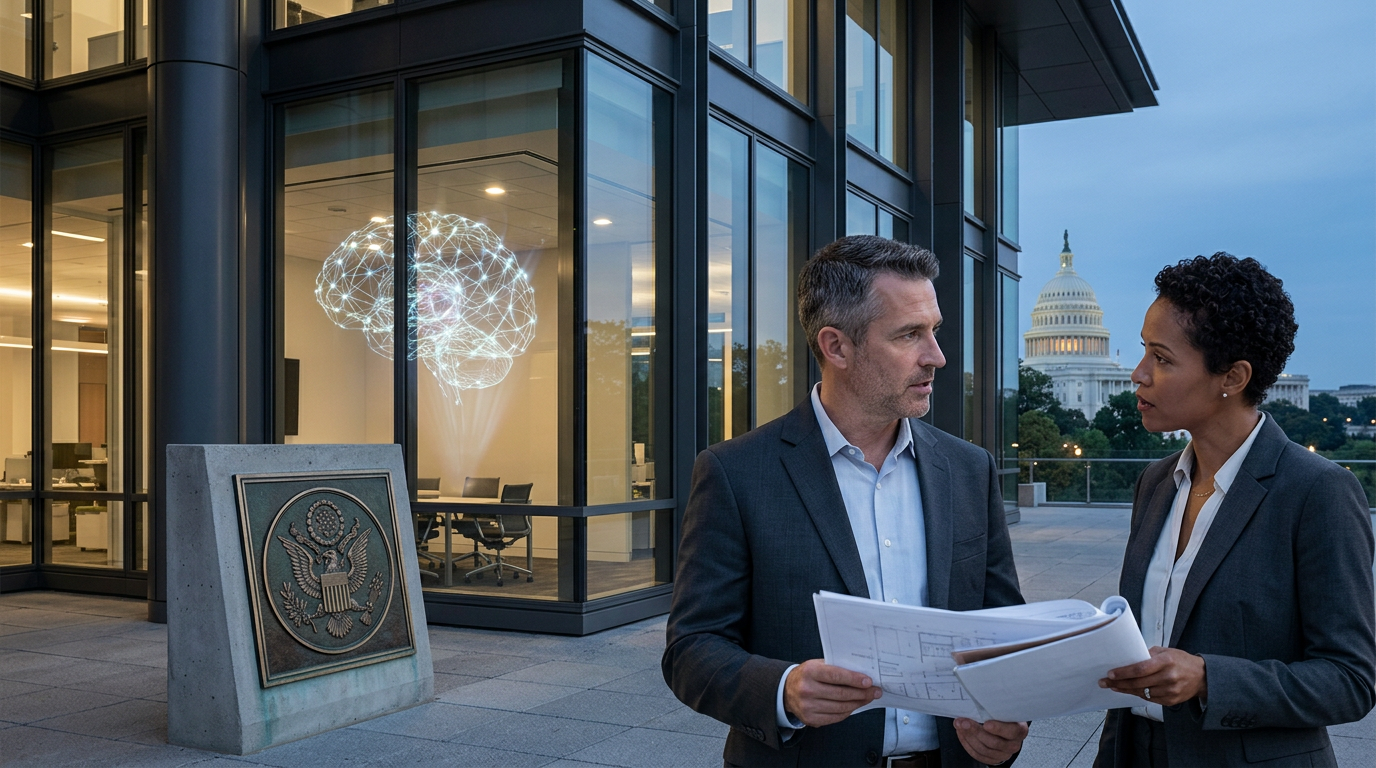
OpenAI has proposed handing the U.S. government a 5% stake in the company, and the market’s reaction so far has been to treat it like a political story. It is not. It is an investment story. A structural one.
A 5% holding would be worth roughly $42.6 billion, after the AI lab closed a record-breaking funding round in March at a post-money valuation of $852 billion. That number is almost a distraction. The real thing to focus on is what this signals about where the relationship between Washington and frontier AI is actually heading.
Here is what matters. Government equity in frontier AI labs is a structurally different regulatory posture than subsidies or export controls, and it is arriving piecemeal rather than through a single deliberate policy. The U.S. government acquired a 9.9% equity stake in Intel through an $8.9 billion investment last August. Then AMD and Nvidia agreed to hand over 15% of their China chip revenue in exchange for export licenses. Now OpenAI. There is a pattern forming here, and it has direct implications for how the entire sector gets valued.
If Washington accepts the proposal, the transaction will move government relationships away from objective, arms-length oversight and straight into permanent financial entanglement. If federal agencies become major shareholders in the dominant AI developer, the government effectively sits on both sides of the negotiating table.
That cuts both ways. Critics are right to flag the conflict. But investors need to think about what a financially entangled government actually does to the regulatory environment for these companies. A government that owns equity in OpenAI is a government that has a reason to want OpenAI’s valuation to go up. That is a qualitatively different regulator than one that does not.
Tried Options Before and Gave Up?
A lot of people try options once, lose a little, and decide it’s “not for them.”
Usually it’s not them – it’s that nobody showed them the rules first.
This free guide is the from-scratch start they never got. Clear, simple, example by example.
Normally $29.97. Free today.
Slight tangent, but it matters: the Trump administration asked OpenAI to limit the initial release of GPT-5.6 to a small group of government-approved partners on June 26, with access cleared customer by customer before any broader rollout. Then, separately, the U.S. Department of Commerce lifted its export controls on Anthropic’s Claude Fable 5 and Mythos 5 on June 30, 2026, ending a 19-day shutdown that froze access for enterprise customers across dozens of global cloud platforms. The government is not just watching AI anymore. It is actively shaping which models ship, when, and to whom.
That is the context the market is underpricing.
Under the proposals discussed with officials, Altman and other OpenAI executives have suggested that America’s leading AI companies allot 5% of their equity to a vehicle similar to the Alaska Permanent Fund, a sovereign fund that invests the state’s oil wealth into stocks and pays dividends to the state government. Whether that specific framework survives does not matter much. What matters is that OpenAI has restricted the initial rollout of its latest frontier AI models at the request of the U.S. government, marking the first time the company has staggered a flagship release at Washington’s request. That precedent is already set, with or without an equity deal.
The companies that benefit most from this shift may not be the ones getting the headlines. Pressure has been mounting on major U.S. AI firms as Washington grows increasingly wary of cybersecurity vulnerabilities associated with their models and rising competition from Chinese open-source models that are proving to be almost as capable and significantly cheaper than some of the top American models. A government stake does not eliminate that pressure. It redirects it. Suddenly Washington has a vested interest in making sure the American AI incumbents win.
STOCK WARNING: Move Your Money This Monday
20-year trading veteran Tim Bohen just identified a dirt-cheap stock that could soar 100% or MORE this coming Monday…
Click here for the full details on this urgent opportunity now.
Watch for the White House’s formal response. Watch whether Anthropic and Google get approached with similar terms. The proposed arrangement envisions other U.S. AI companies, such as Anthropic, Google and Meta, ceding similar stakes to the government through a sovereign wealth fund vehicle, though it is not clear whether any of these groups would agree. And keep an eye on the IPO timeline: OpenAI filed a confidential S-1 on June 8, 2026, but is now leaning toward a 2027 IPO. What a 5% government stake is actually worth depends heavily on when and at what valuation this company finally goes public.
The AI regulation story just got a lot more complicated. And a lot more interesting for investors reading beyond the headline.
For informational purposes only.