July 2, 2026
Meta Just Became a Cloud Company
Featured: Meta Just Became a Cloud Company
Hey Trader,
New to trading options and wondering where on earth to start?
Or maybe you’ve been trading options for years, and you’re simply tired of trying tactic after tactic, only to be met with nothing more than market noise and stinging losses?
That changes TODAY.

Inside Dave Aquino’s groundbreaking new guide: 11-Hour Options for Beginners, you’ll get:
The blueprint behind the “rinse and repeat” 11-hour options strategy he uses…
- A step-by-step plain English explanation of WHY it works…
- AND the exact ticker he’s used nearly 900 times with a 95.3% success rate, over 5 years of the most volatile markets we’ve seen to date.
This strategy is one of the most consistent ways I’ve seen to generate income with options in any market condition…
The trade is “battle-tested”…
The ticker is yours to trade as early as tomorrow.
The only question left?… What are you waiting for?
Click below to claim your free copy of 11-Hour Options for Beginners – NOW.
To better trading,
Drew Day
Meta Just Became a Cloud Company
The question hanging over Meta all year has been the same one: what exactly does $125 to $145 billion in AI spending actually return? Wednesday, the market got a possible answer.
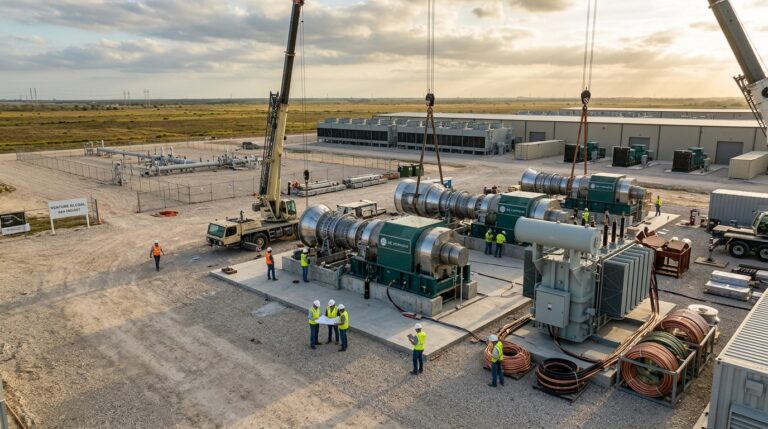
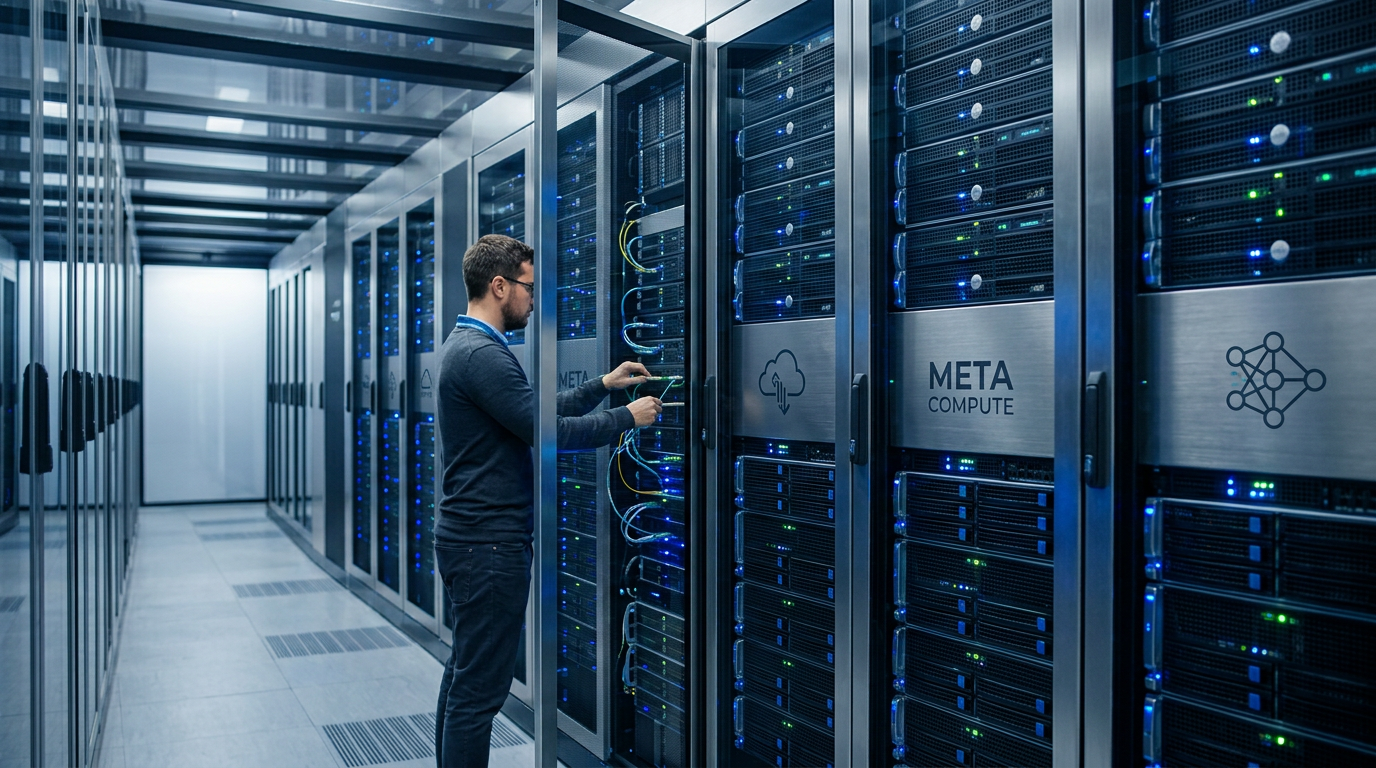
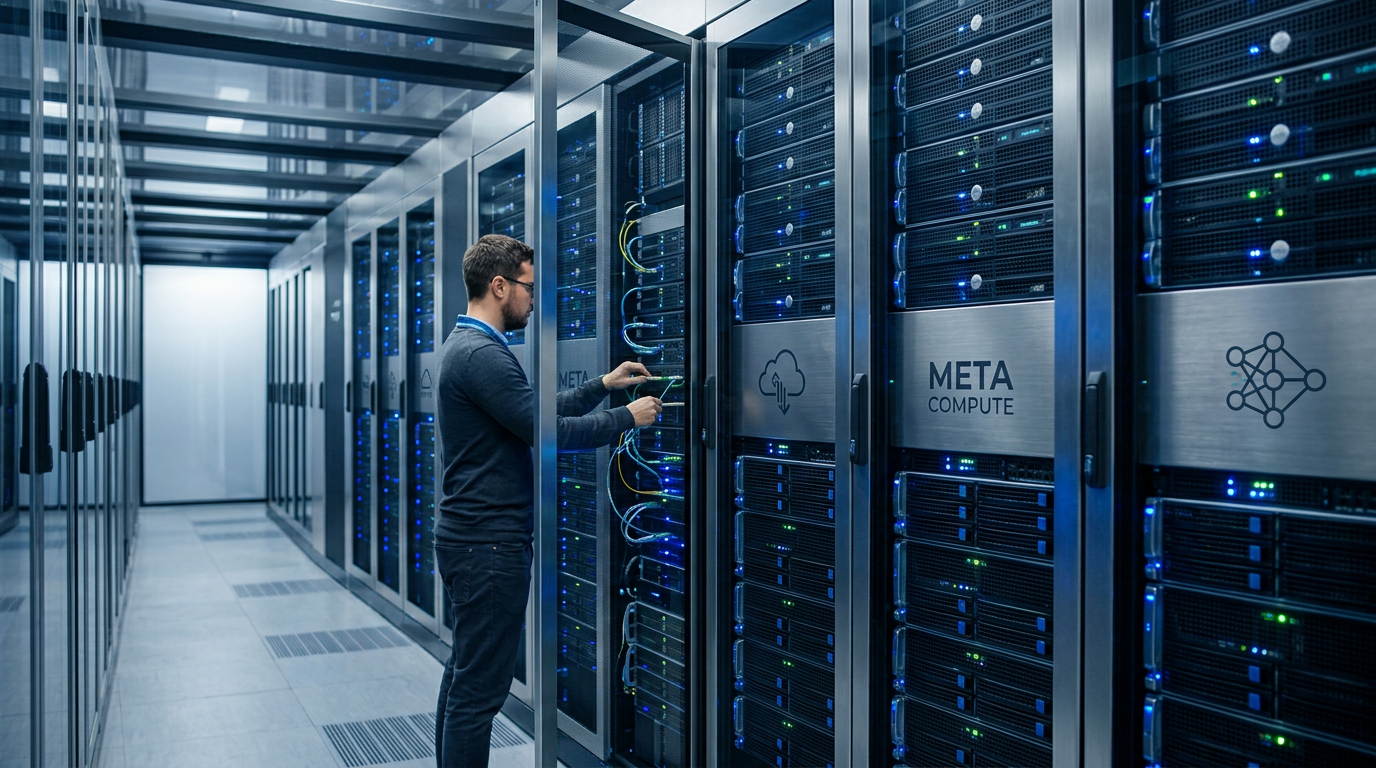
A Bloomberg report published July 1 said Meta is building a cloud infrastructure business called Meta Compute that would sell AI computing power and model access to outside customers, directly competing with Amazon Web Services, Microsoft Azure, and Google Cloud. By monetizing surplus AI computing capacity, Meta aims to establish what could become a high-margin, recurring revenue stream built on infrastructure it was already constructing anyway.
Meta surged roughly 9% on the news, closing at $612.91. The stock had been down about 14% year-to-date heading into Wednesday’s session, with investors increasingly frustrated by mounting capital expenditures and no direct revenue to show for it. That frustration evaporated fast.
Why This Changes the Math
The move erased weeks of concern about Meta’s aggressive capital expenditure program and replaced it with a fundamentally different question: what if the infrastructure buildout is not just a cost center but the foundation of an entirely new business?
The analogy here is obvious, and it’s intentional. Jefferies analyst Brent Thill said the move represents Meta following Amazon’s AWS playbook by monetizing excess compute to lift utilization, improve return on invested capital, and boost cash flow. Jefferies reiterated its Buy rating with an $825 price target. BMO Capital maintained a Market Perform with a $720 target.
According to Bloomberg, Meta Compute will offer access to AI models and raw computing capacity. The company is weighing two approaches: hosting AI models in its data centers and charging developers to access them, or selling raw GPU cycles similar to how CoreWeave operates. The plans are still in development and could change.
In late May, CEO Mark Zuckerberg told shareholders that launching a cloud computing business was “definitely on the table” but never confirmed the company was actively working on it. Wednesday’s Bloomberg report was the confirmation the market had been waiting for. Meta’s Q1 2026 capex guidance stands at $125 billion to $145 billion for the year, nearly double the $72.2 billion it spent in 2025 and more than it spent in 2024 and 2025 combined. The scale of the infrastructure is already there. The missing piece was the revenue model.
The New Arms Race Is Being Built Right Now
Global tensions are accelerating a new kind of arms race powered by advanced technology.
AI, drones, and autonomous systems are becoming central to modern defense strategies. This report reveals five companies positioned to benefit from this shift and what it could mean for investors.
The Collateral Damage
CoreWeave stock dropped nearly 14% on the news. That reaction makes sense when you look at the relationship. In April 2026, Meta committed an additional $21 billion to CoreWeave through December 2032, adding to a prior $14.2 billion arrangement and bringing the total known commitment to roughly $35 billion. CoreWeave reported a revenue backlog of $99.4 billion as of March 31, 2026. A Meta pivot from infrastructure buyer to infrastructure seller reshapes that dynamic in ways CoreWeave investors are still working through.
Nebius also dropped sharply and Nvidia fell modestly as investors rotated away from pure-play AI infrastructure names and toward the companies actually building and now potentially monetizing the compute layer.
What to Watch Next
Meta’s Q2 2026 earnings are confirmed for July 29, after market close. That’s the first real test. The cloud announcement shifts the conversation, but execution gets measured quarter by quarter: compute contracts signed, AI monetization progress, and whether capex discipline holds.
Analyst consensus targets cluster around the low-to-mid $800s. The 200-day moving average sits near $650, well above where the stock closed Wednesday. Wall Street currently carries 49 Buy ratings and zero Sells on the name.
The bear case hasn’t disappeared. Cloud businesses take years to build, and Meta would be entering a market where three deeply entrenched incumbents have decade-long head starts and enterprise relationships that don’t move easily. Near-term earnings still depend almost entirely on advertising, which delivered $56.3 billion in Q1 revenue at a 41% operating margin. But the announcement does one specific thing well: it gives the market a measurable second line item to track. And that alone tends to support a higher multiple on the first one.
For informational purposes only.