August 31, 2026
Bonus Content: OpenAI’s Hardware Bet Has a Spoliation Problem
Washington Is Building. This Market Could Create a New Nasdaq Winner.
American strength has always come from building smarter, faster and better.
Small drones costing hundreds of dollars can now compete against tanks and military equipment worth millions.
That changes the economics of defense. The war in Ukraine has already proven just how powerful that advantage can be.
Washington sees the opportunity.
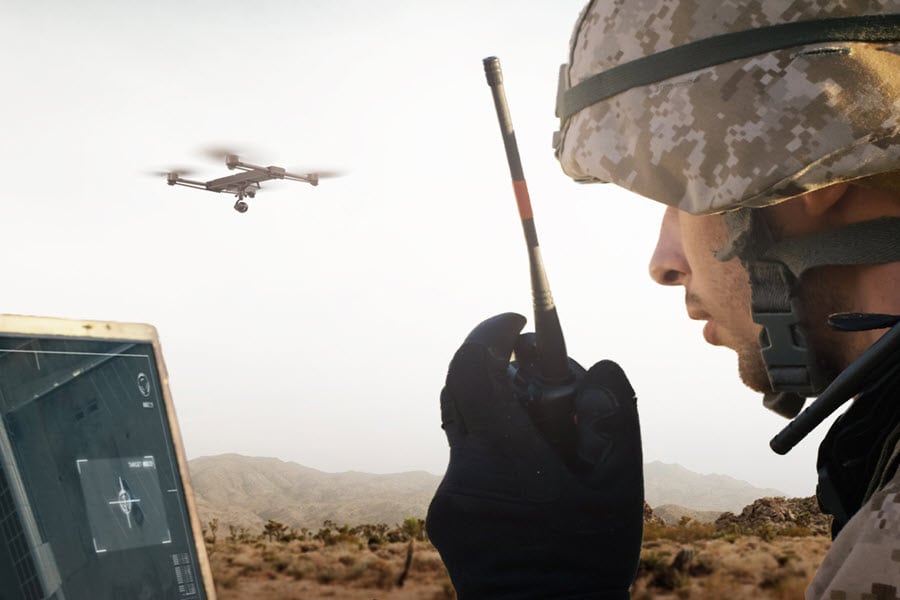
The Pentagon wants around 300,000 drones, while the government is prioritizing domestic manufacturing, secure supply chains and wider adoption of American made systems. America intends to lead this new market and build the technology here at home.
For investors, that push is happening inside a global drone industry projected to reach $182.4 billion by 2033.
One overlooked Nasdaq company has spent more than 25 years developing professional drone technology. It has patents, a broad product platform and systems already tested in real world missions.
Yet its shares are still trading under $5 for now.
If America leads the next era of flight, this quiet company may help power the charge.
OpenAI’s Hardware Bet Has a Spoliation Problem
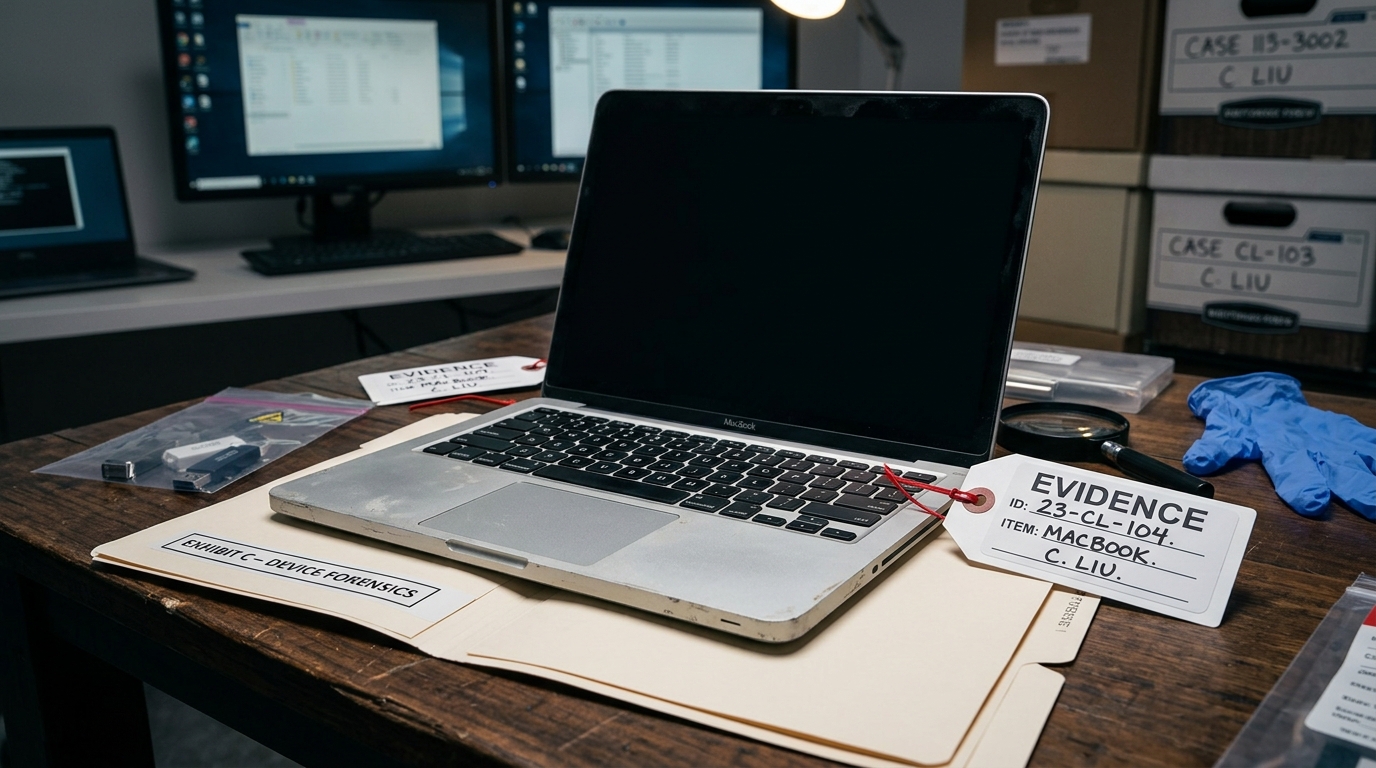
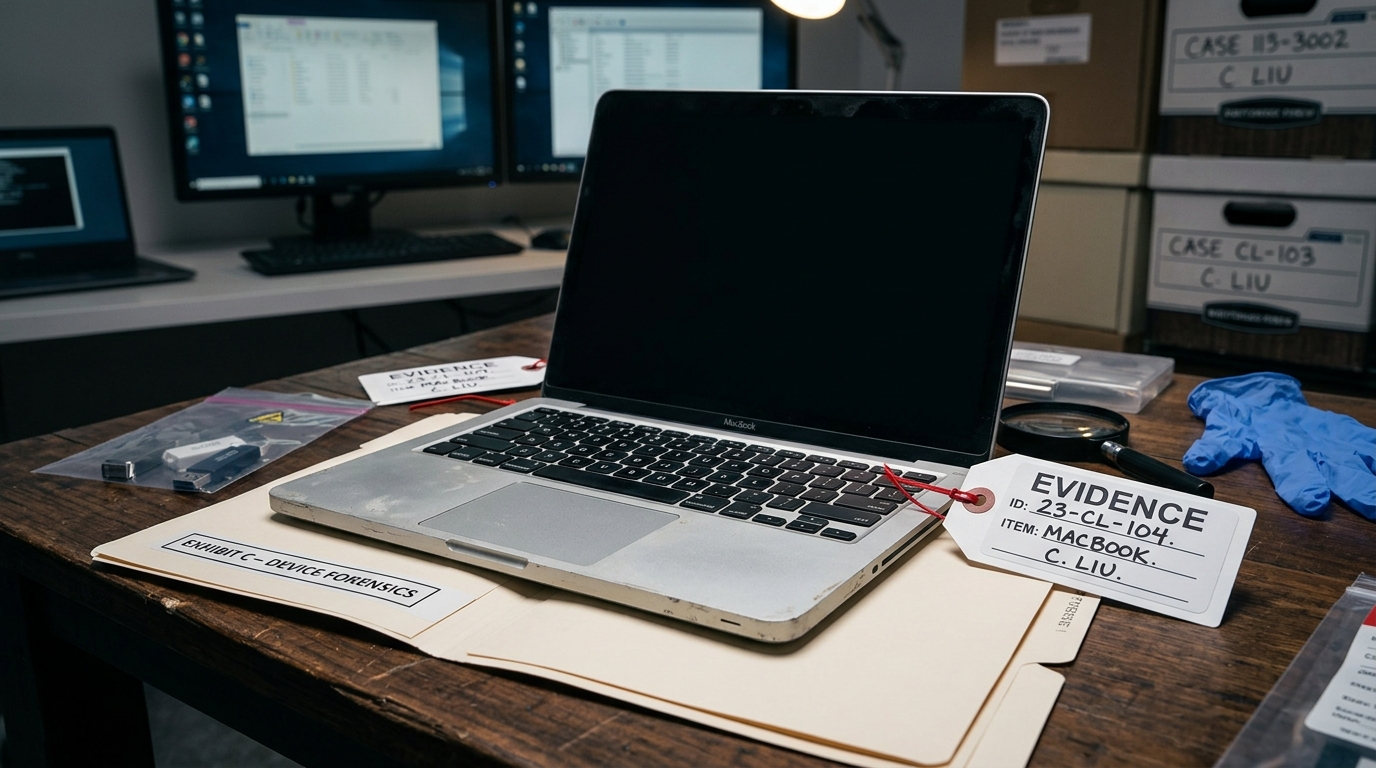
The most important piece of hardware in OpenAI’s consumer ambitions right now is not a sleek screenless speaker. It is a returned MacBook that its former owner allegedly tried to have wiped.
On Monday, Apple filed a new brief in its federal trade secrets case, describing what it called “shocking evidence” uncovered from a laptop that belonged to former Apple employee Chang Liu, who now works at OpenAI, and was handed over by his legal counsel for investigation earlier this month. The timing matters: OpenAI has been pushing back on Apple’s attempts for expedited discovery, which Apple now asserts could be due to an active attempt to destroy evidence.
What the Laptop Shows
The forensic findings are specific, and they are damaging. Apple alleges that Liu used a confidential Apple circuit schematic in his work at OpenAI, and that the company was “well-aware” of Liu’s access to Apple data. Liu then enlisted OpenAI colleague Yu-Ting Peng to help destroy evidence in June when he learned Apple was investigating him. That instruction, and the confirmation that followed, appear to be documented on the device itself.
A tool in use by Liu at OpenAI also shared the same name as an internal Apple engineering application used for development work. Apple says defendants chose not to inspect that laptop and instead opted to advance theories the device’s own data contradicts.
The Bigger Structural Problem for OpenAI
This is not a standalone personnel dispute. Apple filed the original suit on July 10, 2026, in the US District Court for the Northern District of California, case number 5:26-cv-07078-EJD, targeting OpenAI along with two former Apple employees: Chang Liu and Tang Yew Tan.
Tang Tan spent 24 years at Apple, most recently as VP of product design for iPhone and Apple Watch, and became OpenAI’s Chief Hardware Officer. The stated ambition is to ship a portable, screenless smart speaker, with a reveal expected in late 2026 and broader availability targeted for 2027. That product timeline is now legally exposed.
The lawsuit also names io Products, the Jony Ive-led hardware startup acquired by OpenAI, as complicit in the theft, describing the organization as part of a coordinated pattern of misconduct within OpenAI. Ive is not named personally, but the filing implicates the hardware operation he leads.
What Apple Is Actually Asking For
Apple is seeking a preliminary injunction that would block defendants from possessing, using, or disclosing Apple trade secrets while the case is ongoing, as well as expedited discovery, since the company alleges that more former employees may also be implicated.
That injunction, if granted, is the operative risk. Apple argues that when trade secret information is fed into an AI agent or model that learns from it, that learning may create irreversible and continually propagating uses of the trade secret. That framing is deliberate: it makes delay itself the injury, which is precisely why Apple wants the court to move fast.
A hearing on Apple’s expedited-discovery motion has been requested, but the date and the presiding judge cannot be confirmed from publicly available docket summaries.
Bottom Line
OpenAI entered the hardware race carrying a roughly $6.5 billion acquisition and talent from the most successful consumer electronics company in history. The spoliation allegations now threaten to turn that talent advantage into a liability. If the court grants expedited discovery on an accelerated timetable, OpenAI’s late-2026 device plan could face court-ordered constraints that no engineering sprint can outrun.